
Blog
- equipment
- how-to
What Is AV Equipment? A Plain-English Guide for Event Organizers
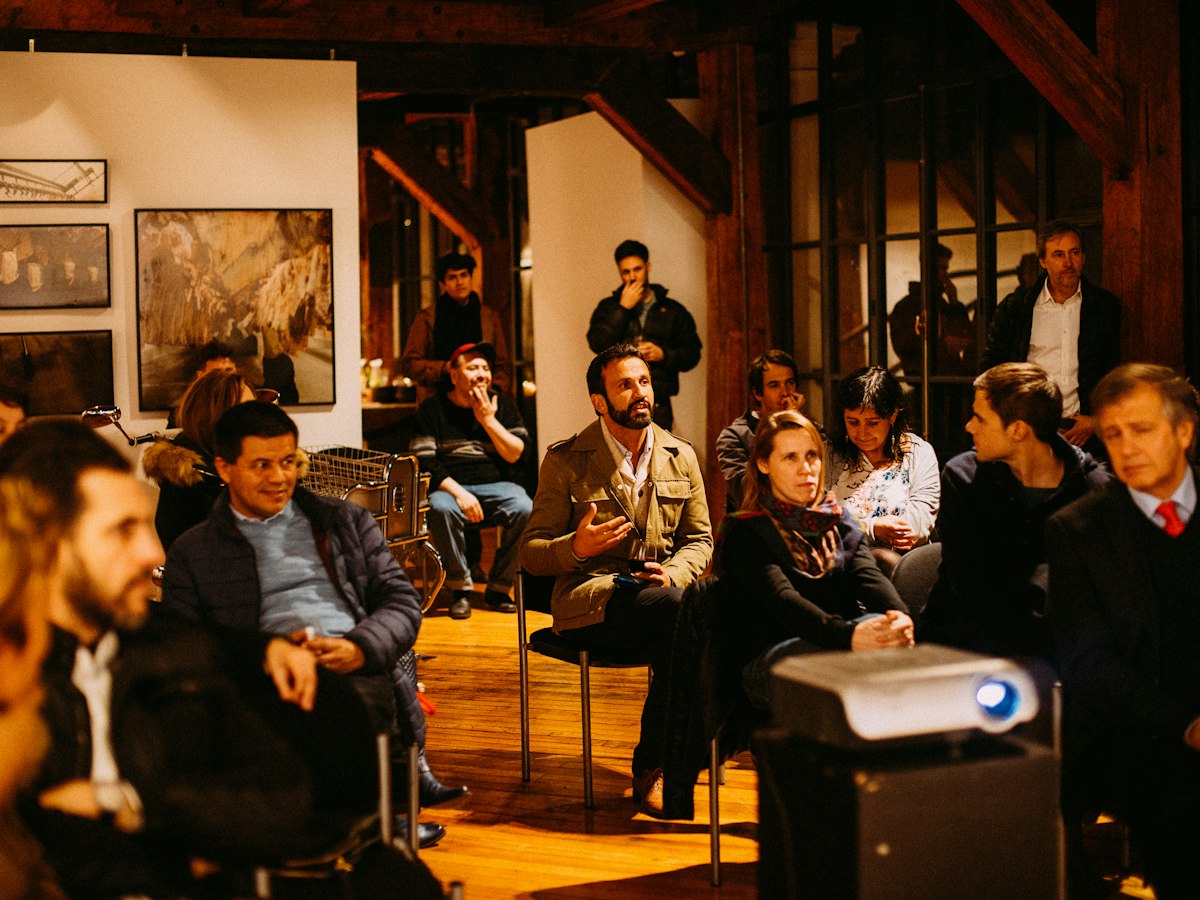
A practical breakdown of what AV equipment actually includes — projectors, screens, sound systems, microphones — and how to figure out what your event actually needs.
You've been put in charge of a company all-hands, a wedding ceremony, or a parent night at school, and someone on the planning committee just said "we'll need to sort out the AV." If you're not sure what that actually means beyond "a microphone, maybe," you're not alone — most people organizing an event for the first time have never had to think about it before.
So What Does "AV Equipment" Actually Cover?
AV stands for audio-visual, and in practice it breaks into a handful of categories. Audio covers speakers, subwoofers, mixers, and microphones — wireless handhelds, lavalier clip-ons, or podium mics. Visual covers projectors, screens, and increasingly monitors or displays for smaller rooms. There's also a growing third category: streaming gear — cameras and audio feeds that pipe your event to Zoom or Teams for people who can't attend in person. None of this is interchangeable. A speaker that fills a 30-person conference room will sound thin in a 300-person hall, and a projector bright enough for a dim ballroom will wash out completely under afternoon sun at an outdoor ceremony.
The Problem: Most Spaces Aren't Built for This
Here's the catch — almost none of the venues people actually use for one-off events have any of this built in. A rented community hall has house lights and maybe an outlet near the stage, nothing else. An office conference room has a TV meant for six people, not sixty. A backyard has neither. So the question isn't just "what equipment do I need" — it's "what does this specific room, with its specific size, layout, and acoustics, actually require to make speech and images reach every seat?"
What Happens When You Guess Wrong
Guessing wrong here isn't a minor inconvenience. A single speaker pointed at a long, narrow room leaves the back third straining to hear the toast or the CEO's remarks. A consumer-grade projector in a space with any ambient light produces a washed-out, hard-to-read slide deck during the exact ten minutes that matter — the product demo, the investor pitch. And a wireless mic with interference from a nearby Wi-Fi network cutting in and out mid-ceremony is the kind of thing nobody forgets, including the couple whose vows it happened during.
Matching Equipment to the Actual Event
The fix isn't buying the most powerful gear available — it's matching equipment to the room and the group size. A 50-person training session needs a mid-size PA speaker and one or two lavalier mics, not a concert rig. A wedding ceremony for 80 guests outdoors needs weather-appropriate speakers and a mic built for vows and toasts, plus someone who can run a quick soundcheck before anyone arrives. This is also where having a technician present for the whole event, not just a drop-off, matters: equipment that's tested and working at 9am can still need a quick adjustment at 2pm once the room fills with people and their coats absorb sound differently than an empty hall.
Frequently Asked Questions
The Bottom Line
AV equipment isn't one thing — it's audio, visual, and increasingly streaming gear, each sized to a specific room and group. Most venues used for one-off events have none of it built in, which means the planning question is really about matching gear to the space, not just renting "a projector and a mic." If you're not sure what your room needs, describe the space, the guest count, and what's happening — presentation, ceremony, panel — and get a recommendation before the day arrives.