
Blog
- event-planning
- equipment
How to Turn Any Room Into a Working Meeting Room for a Day
A practical guide to setting up an ordinary office, hall, or rented room for a one-day meeting, training, or presentation — what actually breaks and how to plan around it.
Your quarterly all-hands is in three weeks and the only space big enough is an open-plan office with the desks pushed back, or a plain rented room at a business center, or a community hall with folding chairs. There's no AV in the room — maybe a wall-mounted TV nobody past the fourth row can read. Nobody's going to install a permanent system for an event that happens once a quarter, and they shouldn't have to. The question is what that room actually needs to function for one day.
The Room Was Never Built for This
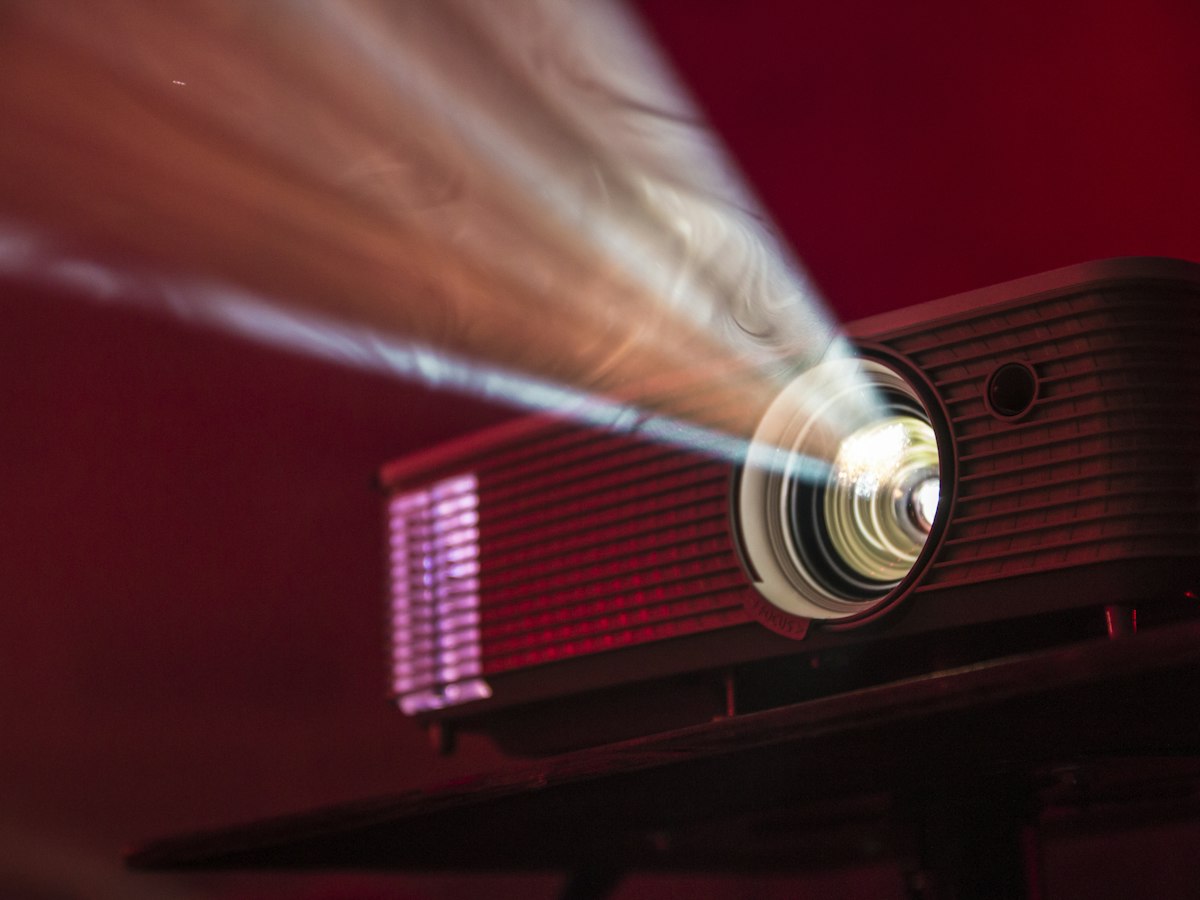
A TV on a cart works for eight people around a table and fails the moment you add rows. The rule that matters is distance from screen to the furthest seat, not the front row — the back row decides the screen size. Past roughly 15 people, a projector and a properly sized screen beats any display you can wall-mount. Room light matters just as much: a wall of afternoon windows will wash out even a decent projector, so the wall you pick usually has to be the one without windows, which then decides which way the chairs face.
Sound and Remote Attendees Fail Quietly
A presenter's voice carries fine to about 20 people in a normal room. At 40 or more, or in a space with hard floors and high ceilings, the back rows stop following without ever saying so. A panel needs one microphone per speaker, not a single handheld passed down the table, and floor Q&A needs its own mic or the question disappears for everyone, including anyone joining by Zoom or Teams. A laptop mic sitting on a conference table is the single most common point of failure on hybrid calls: the room hears the remote attendees fine, but the remote attendees hear an echo of the room.
What This Costs You If It's Not Fixed
None of this fails loudly. Nobody stands up and says they can't hear — they just stop paying attention, stop asking questions, and check their phones. A board presentation where half the room missed the numbers, or a hybrid all-hands where remote staff got fifteen minutes of echo before muting themselves, doesn't look like an AV failure. It looks like a meeting that didn't land. The fix is almost never the content of the presentation — it's whether the room let people actually hear and see it.
Match Equipment to the Actual Problem
Each issue above has a specific fix, not a general upgrade. A room past 15 people gets a projector sized to the furthest seat, on the wall away from windows. A room past 20 people, or one with hard surfaces, gets a small PA with one or two speakers on stands. Panels get individual microphones; open floor discussion gets a dedicated handheld. Hybrid sessions get proper audio pickup routed into the call, not a laptop mic, plus slides sent to both the room screen and the meeting software at once.
Power, Cabling, and Timing Decide Whether It Holds Together
Most rented or borrowed rooms have one usable circuit along one wall. Running a projector, PA, laptop, and chargers off a single outlet behind a curtain is how a room goes dark mid-sentence. Any cable crossing a walkway needs to be taped down — it's a trip hazard and the fastest way to lose sound when a chair catches a cord. Setup also isn't a fifteen-minute job: testing needs to happen with the actual laptop and the actual slide deck, in the room, before anyone sits down, because that's when a missing adapter or a locked file gets caught instead of discovered live. This is why our technician arrives with time to test the full chain and stays on site for the entire event — not just to drop off gear.
Frequently Asked Questions
The Takeaway
A room doesn't need to be a conference room to work for a day — it needs a clear sightline to the screen, sound that reaches the back row, power that won't cut out mid-presentation, and someone who tested the whole chain before the first person sat down. Get those right and an open-plan office or a rented hall does the job just as well as a dedicated meeting room. If you've got a date and a headcount but no equipped room, get in touch and we'll size the setup to the space.