
Blog
- equipment
- video
Projection Setup and Equipment: What It Actually Takes to Get It Right
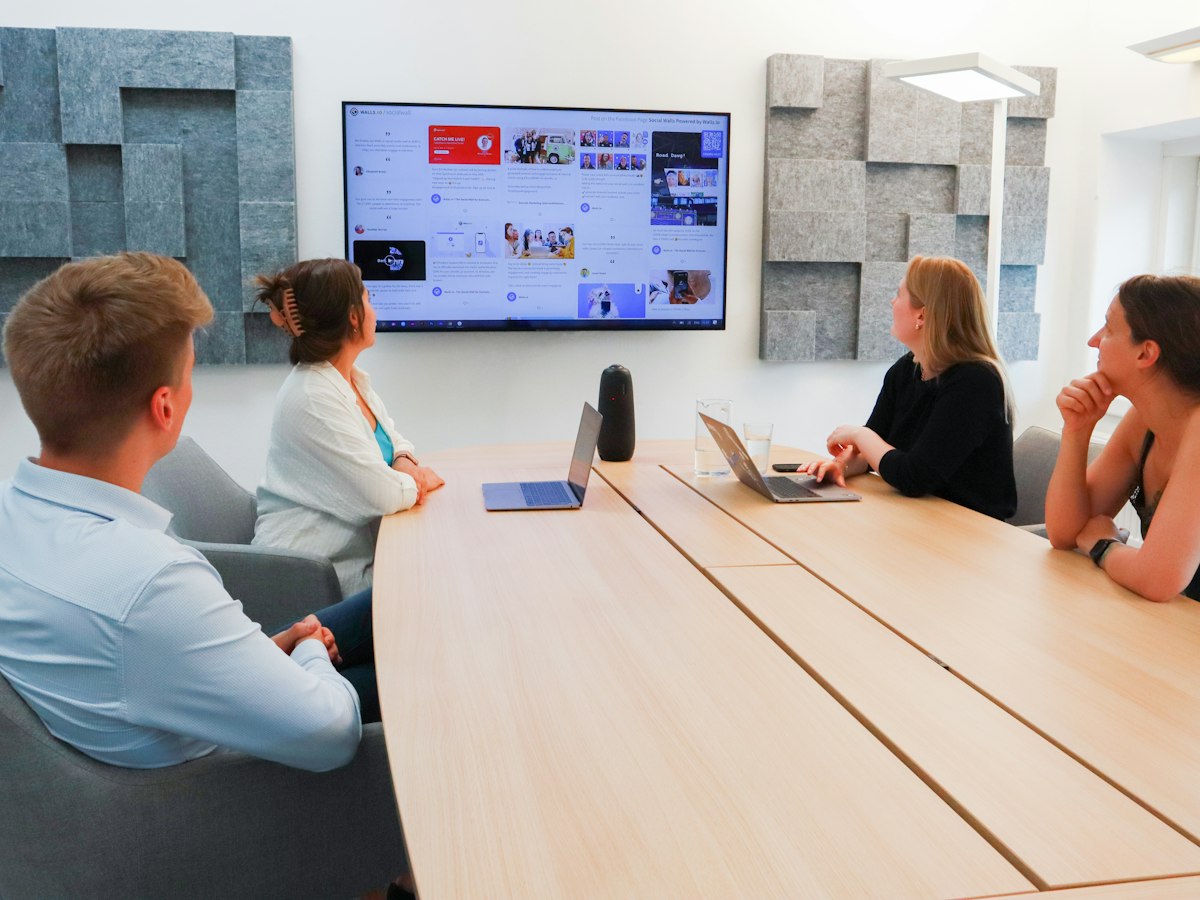
A practical look at what goes into a working projection setup — projector brightness, screen sizing, cabling, and the on-site testing that prevents a presentation from falling apart.
You've got a presentation coming up in a room that wasn't built for one — a conference room with no built-in display, a rented hall, a backyard tent for a client dinner or a family celebration. Someone has to figure out the projector, the screen, and how it all connects to a laptop, and that someone is usually not an AV technician. It sounds simple until you're standing in the room an hour before doors open.
Brightness Has to Match the Room, Not Just the Projector
A projector rated at 2,000 lumens looks fine in a demo video and washes out completely under afternoon windows or venue house lights. Lumens needed scale with ambient light, not room size — a dim conference room might be fine at 2,500 lumens, while a space with large windows or string lighting needs 4,000 or more before text and photos read clearly from the back row.
Screen Size and Throw Distance Are a Package Deal
Screen size isn't a preference, it's math: throw distance (how far the projector sits from the screen) determines the image size a given projector can produce, and viewing distance determines the minimum size that's actually readable. A screen that looks plenty big on paper can still be undersized if the back of the room sits 40 feet away, or oversized and blurry if the projector is mounted too close.
Cabling and Adapters Are Where Things Actually Fail
Most projection problems on event day aren't the projector itself — they're a laptop with only USB-C ports meeting a projector that only takes HDMI, or a last-minute presenter whose adapter doesn't match anyone's cable. Add a second presenter, a video clip with audio, or a hybrid setup streaming to remote attendees, and the chain of connections gets long enough that one missing adapter stalls the whole room.
When any of this goes wrong, it goes wrong in front of the audience. A washed-out slide deck, a frozen laptop screen, a fifteen-minute delay while someone hunts for the right cable — none of it is a minor inconvenience when the room is full of clients, investors, or guests who showed up on time. The cost isn't the equipment, it's the credibility of the event itself.
Matching Equipment to the Room Solves Most of This Before It Starts
Getting projection right means selecting projector brightness for the actual light conditions in that specific room, sizing the screen to both throw and viewing distance, and bringing every adapter the connection chain could need — not just the one that's supposed to work. For events in the Portland area, EventGear PDX delivers projectors and screens sized to the venue, sets everything up in advance, and tests the full signal chain from laptop to screen before anyone arrives.
A Technician On Site Removes the Single Point of Failure
The difference between a projection setup that holds up and one that doesn't usually comes down to whether someone is watching it during the event. A technician on site for the full event can swap a cable, adjust focus as the room fills and light changes, or route a second presenter's laptop without the audience noticing anything happened at all.
Frequently Asked Questions
The Bottom Line
A projection setup that works is less about owning a projector and more about matching brightness to the room, sizing the screen to the actual viewing distance, and having every cable the laptop chain could need — then having someone on site to catch the one thing that wasn't anticipated. Get those pieces right and the technology disappears into the background, which is exactly where it belongs during someone else's presentation.