Blog
- corporate
- event-planning
Corporate Meeting Space in Trophy Club: What Planners Need to Know Before They Book
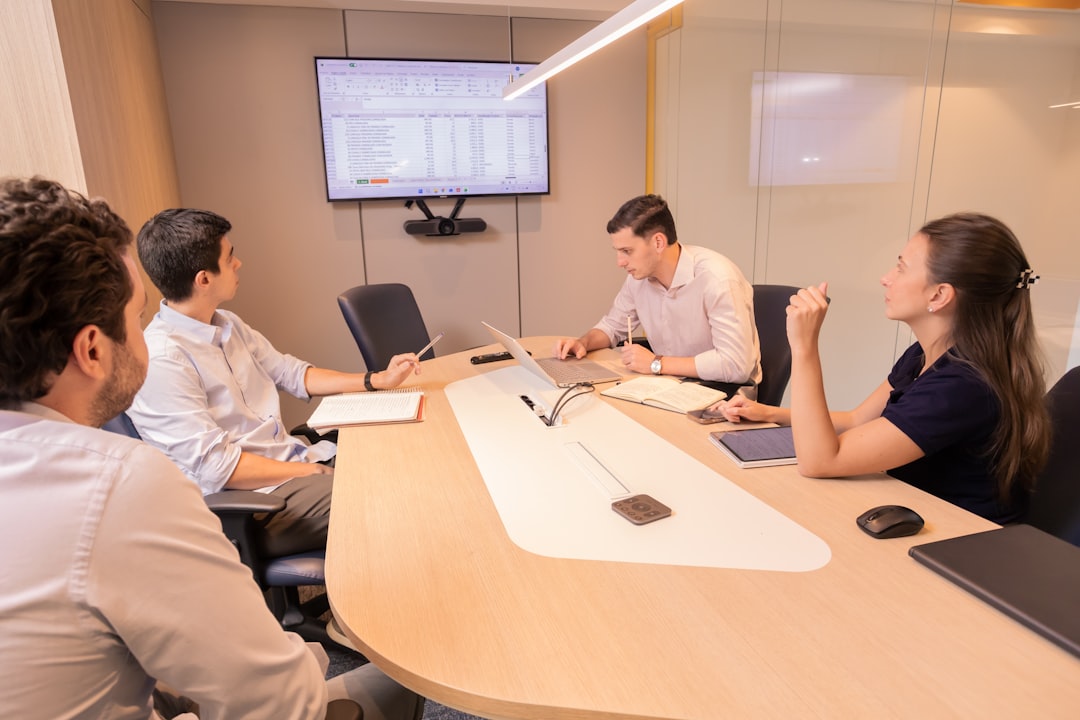
Planning a corporate meeting in Trophy Club? Learn what to look for in a venue and how to avoid the AV problems that derail professional events.
Trophy Club sits at an interesting crossroads for corporate event planners — close enough to the Dallas–Fort Worth metro to draw serious attendees, far enough out that venue options are limited and vendor support can be thin. If you're organizing a board meeting, a leadership offsite, or a client-facing presentation in Trophy Club, you've probably already noticed that the local venue inventory doesn't always come with the production infrastructure a professional event requires. The room might look right on paper and fall apart the moment someone tries to connect a laptop to the AV system. This guide walks through how to evaluate corporate meeting space in Trophy Club and how to fill the gaps that most venues leave open.
What Corporate Meeting Space in Trophy Club Actually Looks Like
Trophy Club is a small, affluent suburb in Denton and Tarrant counties, northwest of Fort Worth. Corporate meetings here tend to happen in a handful of settings: private country club banquet rooms, hotel conference rooms along Trophy Club Drive, church fellowship halls repurposed for community events, and occasionally private estate venues. A few corporate campuses in the area maintain internal meeting rooms that get rented to outside groups.
None of these are purpose-built conference centers. That matters because purpose-built conference facilities are designed around presentation infrastructure — dedicated projection systems, distributed audio, proper cable runs, lighting control. A country club banquet room is designed around dinner service. The distinction shows up the moment your presenter clicks to the first slide.
The Real Problems with AV in Non-Dedicated Venues
The friction starts before the event. Most banquet and hotel meeting rooms in Trophy Club offer some version of "AV included" — which typically means a single wall-mounted display or an aging projector with no technician, no backup cable kit, and no one on staff who knows how to troubleshoot a signal dropout.
For a ten-person internal meeting, that's a minor inconvenience. For a 60-person client presentation, a leadership strategy session, or an all-hands where executives are presenting financial results, it's a serious problem.
Specific friction points planners encounter:
- Display sizing: A 65-inch mounted TV is invisible past row three. Most non-dedicated rooms weren't designed with audience sightlines in mind.
- Audio coverage: Built-in ceiling speakers are calibrated for background music, not speech reinforcement. A presenter at one end of the room will not be heard clearly at the other.
- Microphone access: Venues rarely stock wireless microphones. If your presenter needs to move, or if you're running a panel or Q&A session, you're working without the right tools.
- Connectivity gaps: HDMI adapters, signal extenders, and switchers are afterthoughts in most hotel AV setups. One wrong cable and the presentation stops.
What Happens When AV Problems Go Unresolved
The risk isn't just a difficult morning — it's the impression your event leaves. A client who couldn't read the slides, an executive who couldn't be heard from the back row, a panel discussion where the moderator had to shout — these are the details people remember. They attach to your brand, your team's credibility, and the organization that put the event together.
Budget is also at stake. Venues that do offer upgraded AV rental tend to mark it up significantly and bundle it in ways that are hard to audit. Planners who don't evaluate AV early often discover the real cost of a "simple" room upgrade two weeks before the event, when options are limited.
For multiday events or anything with more than 40 attendees, underestimating AV infrastructure is one of the most reliable ways to turn a well-planned meeting into a scramble.
How to Fill the Gaps with Professional AV Rental
The most effective approach is to decouple the room from the AV. Book the venue for what it does well — the location, the catering, the atmosphere — and source the production equipment separately from a rental provider who can spec the right gear for the space and the audience size.
For a corporate meeting in Trophy Club, that typically means:
- Projector and screen: A short-throw or standard-throw projector paired with a properly sized screen (usually 8–10 feet wide for rooms of 40–80 people) ensures every seat has a clear view. Equipment is tested before delivery — no surprises when the presenter walks in.
- PA system and speech reinforcement: A compact powered speaker system with a wired or wireless microphone provides even audio coverage across the room. For panels or Q&A, a handheld or clip-on lavalier kit keeps presenters mobile.
- Cable and connectivity kit: A professional rental includes the adapters, HDMI extenders, and switchers needed to connect multiple presenters without delays between speakers.
Flexible rental durations mean you're paying for the day of the event, not a week-long package the venue requires. Same-day setup support is available when the schedule is tight.
Get the Right Setup for Your Meeting
If you're finalizing a corporate meeting in Trophy Club and the venue's AV situation is uncertain, reach out to EventGear PDX to walk through what the room needs. Describe the space, the audience size, and the presentation format — and we'll put together a specific equipment list with delivery and setup handled.