Blog
- conference
- event-planning
How to Find a Conference Venue With AV Access (And What That Actually Means)
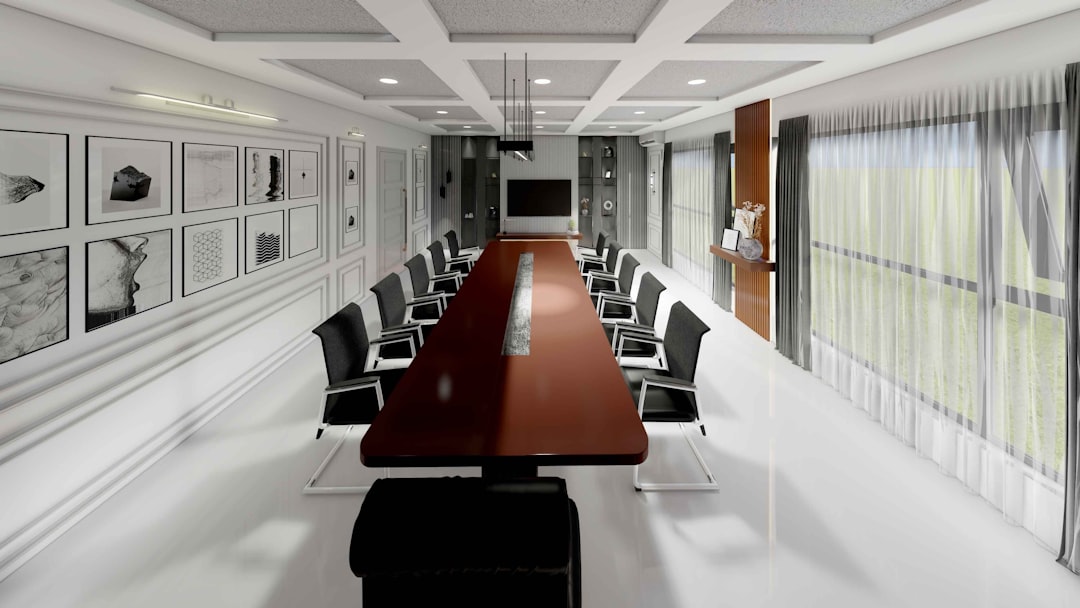
Searching for a conference venue with AV access in Portland? Learn what to ask, what to avoid, and how to fill equipment gaps before your event.
You're sourcing a venue for an upcoming conference in Portland and the checklist says: AV access required. That phrase sounds straightforward until you start asking venues what it means. Some will tell you they have a built-in projector and a lapel mic left over from 2015. Others will quote you a mandatory AV services contract at $800 for four hours. A few will hand you a laminated sheet of HDMI ports and call it infrastructure. What you actually need — working audio, reliable projection, the right inputs for your presenters — is a different question than what most venues mean when they say AV access. This guide helps you ask the right questions, evaluate what venues actually provide, and identify what you may need to bring in independently.
What "AV Access" Usually Means at Conference Venues
When a venue lists AV access as an amenity, they typically mean one of three things: house-owned equipment you can use as-is, an in-house AV vendor you're required to use at their rates, or basic infrastructure — wall plates, ceiling mounts, conduit — that you can connect your own gear to.
The distinction matters because each scenario carries different costs, different reliability risks, and different constraints on your event design. A venue that offers "use of our projector" may have a single fixed-throw unit that doesn't reach the screen size your room requires. A mandatory AV vendor contract may lock you into a package that includes equipment you don't need while excluding something you do.
Before you sign a venue contract, get specific answers to these four questions:
- What AV equipment is included in the rental fee, exactly?
- Is in-house AV required, or can outside vendors bring equipment?
- What inputs are available at the podium and presenter position?
- Who is responsible for setup, and is a technician available during the event?
Vague answers to any of these are a warning sign.
The Real Problems Conference Planners Run Into
The most common failure point isn't that venues lie — it's that venue sales staff and AV technicians are speaking different languages, and you're in the middle.
Aging house equipment. A venue may genuinely believe their built-in system is functional. By the time your presenter is on stage and the wireless mic is dropping signal, that belief doesn't help you.
Exclusivity clauses. Some hotel banquet facilities and convention spaces require you to use their contracted AV provider. This isn't inherently bad, but it eliminates your ability to bring in tested, event-specific gear at market rates. Always ask whether the venue has an exclusivity agreement before you assume you can source equipment independently.
Inadequate inputs for modern presenters. Many venue systems were designed around VGA and older signal standards. If your presenters are running current MacBooks, HDMI-C outputs, or wireless presentation tools, the venue's "AV access" may not connect to their devices without adapters that nobody on site has.
No technical support during the event. A venue may set up equipment the morning of your conference and then leave. If your second-session presenter has a different laptop configuration, you're solving that problem yourself.
What's at Stake If You Don't Verify Before Booking
A conference where the audio fails in the first twenty minutes doesn't recover. Attendees adjust their expectations downward for every session that follows. Presenters lose confidence. Sponsors notice.
The more pointed risk is financial: if you discover your venue's AV is inadequate after signing the contract, sourcing replacement equipment on short notice costs significantly more than planning for it in advance. Same-day delivery requests, last-minute technician bookings, and expedited equipment sourcing all carry premium pricing — and availability isn't guaranteed during peak conference season in the Portland metro.
Clarity before contract signature is worth the extra phone calls.
How to Fill AV Gaps With an Independent Rental
If your venue allows outside vendors — or if you're renting a space that has no AV infrastructure at all — a local AV rental company can provide exactly the equipment your event requires, without the bundled packages and mandatory add-ons that in-house vendors typically charge for.
For a standard single-room conference with one presenter stage and breakout audio, a practical rental setup typically includes:
- A short-throw or mid-throw projector sized for the room and screen distance
- A front-projection screen or confirmation that the venue's screen is usable
- A PA system appropriate for the room's square footage and ceiling height
- One or two wireless handheld or lavalier microphone systems
- An HDMI distribution setup if multiple display points are needed
Working with a local Portland rental company means equipment arrives tested, delivery is timed to your venue access window, and a technician can be on-site for setup and sound check. If something needs adjustment on the day of the event, you have a local contact — not a national vendor's 800 number.
Get the Right Equipment for Your Venue
If you've identified what your conference venue is missing — or you're still working through the equipment question — contact EventGear PDX with your room dimensions, expected attendance, and presenter setup. We'll recommend a specific rental configuration and confirm delivery to your Portland metro venue.