
Blog
- conference
- equipment
AV for a Small Conference or Seminar in Portland
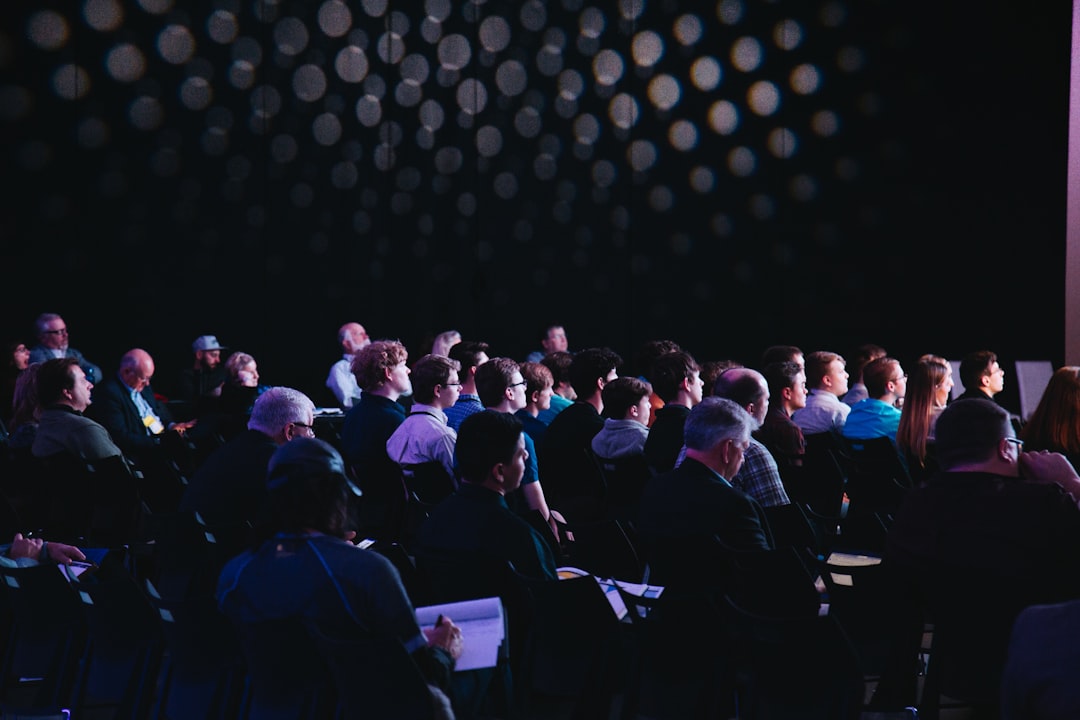
What a seminar, training day, or single-track conference of up to about 100 people needs — including the parts that only show up when a program runs all day.
A conference is a meeting with a schedule, and the schedule is what makes it different. Speakers change every forty minutes, each with their own laptop. A panel follows a keynote. Someone takes questions from the floor. Half the audience is in the room and a quarter is dialling in. The equipment involved isn't exotic; what's demanding is that it has to work repeatedly, on someone else's timetable, without a gap between sessions.
Sessions Change; the Setup Can't
The biggest practical difference between a one-hour meeting and a day-long program is handover. Each speaker arrives with a different machine, a different resolution, and a deck that may be on a drive requiring a login. Without a plan, every handover costs five minutes, and by mid-afternoon the program is running half an hour late.
What solves it is boringly simple: a single connection point tested with each presenter's own laptop before their session, adapters for every port anyone brought, and someone at the back who can swap inputs without the room noticing.
Microphones Follow the Program
A keynote is one channel. A panel of three with a moderator is four. Audience questions need a dedicated handheld, or the answer will be a speaker repeating an inaudible question back to the room. Over a full day these overlap — a panel handing straight into Q&A means several live channels at once, which is a different setup from a single lectern mic.
For rooms of this size, lavaliers suit presenters who move, handhelds suit panels and questions, and a lectern mic covers formal openings.
Hybrid Sessions Need Their Own Attention
If sessions are streamed or joined remotely, the audio path is the whole job: real microphones mixed into the call, the call audible in the room, and a camera positioned on the presenter rather than the audience's backs. Remote attendees are also the first to notice when a question from the floor goes unamplified, because for them it simply doesn't exist.
Check the venue's internet before the day. A shared guest network with a full room on it behaves differently from the same network the week before.
Breaks, Music, and the Quiet Hours
A day-long program has a beginning, breaks, and an end, and the sound system is in use for more than the talks: walk-in music, announcements over the coffee break, a closing that happens when everyone is already standing up. It's worth deciding in advance who controls that and from where.
How We Cover It
For conferences and seminars up to about 100 people across the Portland metro, every booking includes delivery, setup, testing with each presenter's own laptop, a technician on site for the full program, and strike afterwards. Streaming and hybrid support is available with cameras and a dedicated audio path. There's no pick-up option, and availability depends on the calendar — book as early as the date is set.
Larger conferences with staging, multiple tracks, and line arrays are a different kind of production, and not what we do.
Frequently Asked Questions
The Takeaway
Small conferences fail on transitions, not on equipment: the handover between speakers, the question nobody could hear, the remote audience that gave up at the second session. Plan the program's microphone count, test every presenter's laptop before their slot, and give the hybrid audio a path of its own — the rest is ordinary.