
Blog
- equipment
- how-to
AV Set Up Meaning: What It Actually Involves at a Live Event
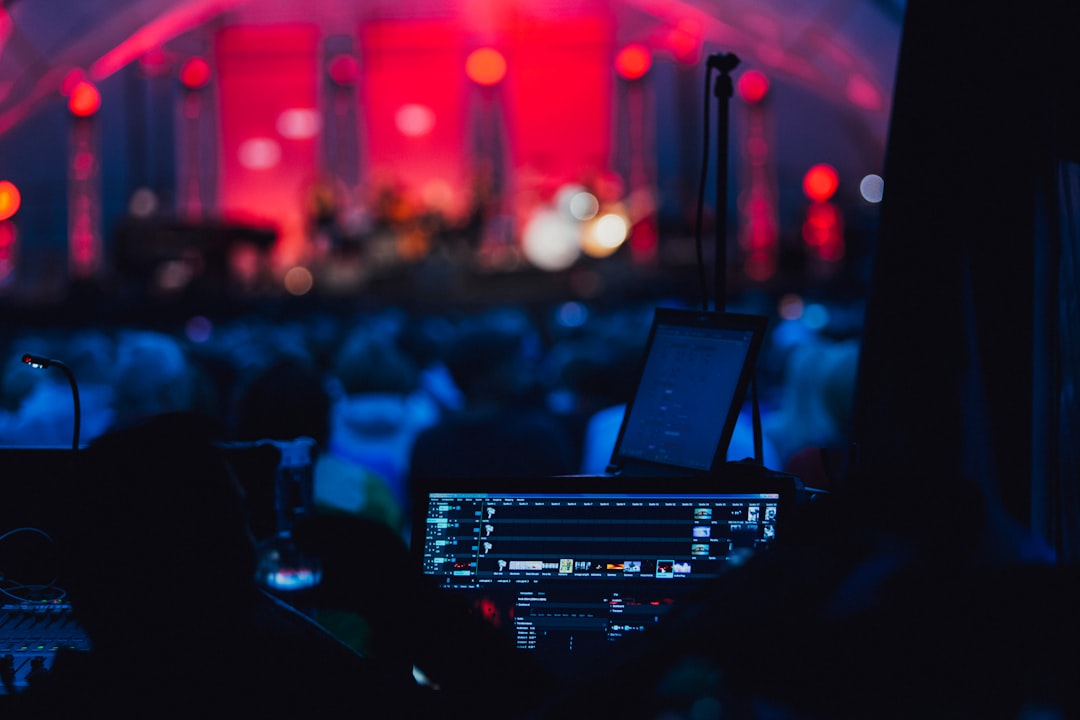
Wondering what AV set up means for your event? Learn what's included, what can go wrong, and how to get it right in Portland and the surrounding metro.
If you've been asked to confirm the AV set up for an upcoming event and you're not entirely sure what that covers, you're not alone. The phrase gets used loosely — sometimes it means a single projector and a laptop connection, other times it means a full audio, video, and lighting system for a 400-person conference. Understanding the AV set up meaning in practical terms — what equipment is involved, who handles what, and what decisions need to be made before the day — is the difference between a smooth event and one where the first 20 minutes are spent troubleshooting in front of your audience. This guide breaks it down clearly for event organizers working in Portland and the surrounding metro.
What "AV Set Up" Actually Means
At its most basic, an AV set up refers to the complete assembly and configuration of audio and visual equipment needed to support a live event. The "set up" part is doing real work in that phrase — it's not just the gear itself, it's the positioning, cabling, signal routing, level testing, and verification that everything functions together as a system before the first attendee walks in.
A typical AV set up for a corporate meeting might include:
- A data projector aimed at a pull-down or freestanding screen
- A PA system with front-of-house speakers
- One or more wireless microphones — handheld for Q&A, lavalier for a presenter who moves
- A mixing board or audio interface to balance levels
- Cable runs connecting the laptop or presentation source to both the projector and the sound system
For a larger conference or multi-room event, the set up expands: multiple screens, confidence monitors so presenters can see their slides without turning around, wireless mic systems for panels, and separate audio zones if breakout rooms are involved.
The term also implies a sequence. Equipment doesn't just get dropped in a room — it gets placed, connected, calibrated, and tested. That sequence takes time, and underestimating it is one of the most common mistakes in event planning.
What Gets Included — and What Doesn't
When a venue tells you "AV is included," ask exactly what that means. Hotel ballrooms and conference centers often provide a projector and a screen as part of the room package. What they may not include: wireless microphones, any audio reinforcement beyond a basic handheld mic, HDMI adapters for non-standard laptops, or a technician on-site during the event rather than just during setup.
The gap between what's technically present and what's actually functional for your specific event is where problems live.
Audio is underspecified more often than video. A room that seats 150 people needs adequate speaker coverage — volume isn't the only factor, dispersion is. A single powered speaker in the corner of a rectangular room will leave half the audience straining to hear. If your presenter is a low-talker, or if there's ambient noise from an adjacent kitchen or HVAC system, you need a microphone that feeds into speakers with enough headroom to compensate.
Video quality depends on ambient light. A projector that looks fine in a dim breakout room will wash out on the same screen if that room has floor-to-ceiling windows and no blackout shades. Projector brightness is measured in lumens, and the right spec depends on your room conditions — not just the size of your audience.
These aren't obscure technical concerns. They're the variables that determine whether people in the back row can hear the presenter and read the slides.
What's at Stake When the Set Up Isn't Right
A poorly specified or rushed AV set up rarely fails completely — it degrades. The mic cuts out twice during the keynote. The slide deck looks washed out because no one checked the projector output against the room's ambient light. The PA hums through the whole session because the gain structure wasn't set before the room filled with people.
None of these are catastrophic on their own. But each one pulls attention away from your content and puts it on the logistics. For a corporate presentation, that erosion of attention has a direct cost: the message lands less effectively, and the organizer gets blamed for the distraction.
For nonprofit events and fundraisers, where the room atmosphere directly affects donor engagement, technical friction can affect outcomes in ways that are hard to recover from on the night.
How a Professional AV Rental Resolves the Gaps
Renting AV equipment from a local provider — rather than relying on whatever a venue supplies — gives you control over the spec. You're not taking what's available; you're selecting what's appropriate for your room size, audience count, and program format.
For EventGear PDX clients in Portland, Beaverton, Hillsboro, and the surrounding metro, that process typically works like this:
- Equipment consultation before the event. Based on your venue dimensions, expected attendance, and program format, the right combination of projector, screen size, PA components, and microphone type gets identified.
- Tested equipment delivered to your venue. Every piece is checked before it leaves the warehouse — not when it arrives at your venue.
- On-site setup support available. A technician can handle the full set up so your team doesn't have to manage cable runs and gain staging on top of everything else.
- Flexible rental windows. Whether you need equipment for four hours or four days, rental periods are structured around your actual event schedule.
The outcome is that the AV set up is complete, tested, and verified before your event begins — not assembled under time pressure while attendees are arriving.