Blog
- event-planning
- equipment
AV Needs Meaning: What the Term Actually Covers and Why It Matters
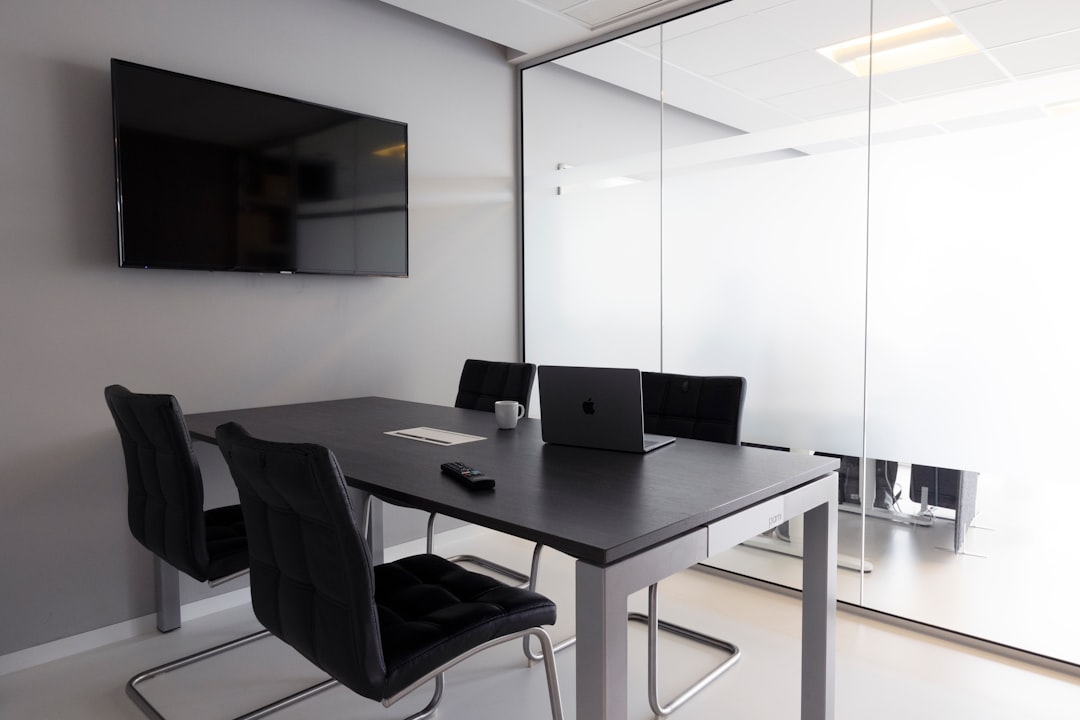
What does 'AV needs' actually mean for event planning? Break down the term and learn how to assess your audio and visual requirements before your next event.
You're coordinating a corporate event, a nonprofit fundraiser, or a multi-session conference, and someone asks: 'Have you figured out your AV needs yet?' It sounds like a simple question. In practice, it covers a lot of ground. AV needs — short for audiovisual needs — refers to the full set of technical requirements that allow your audience to see and hear what's happening at your event. That includes microphones, speakers, projectors, screens, cables, and how all of it gets configured for your specific room and program. Understanding what the term actually means — and what it requires you to think through — is the first practical step in planning an event that doesn't run into avoidable technical problems on the day.
What 'AV Needs' Actually Means
AV needs is an umbrella term used by event planners, venue coordinators, and production staff to describe the audiovisual requirements of a specific event. It is not a fixed list of equipment. It is a set of questions: Who needs to be heard? By how many people, in what size room? Does the audience need to see a presentation, a stage, a panel, or a live feed? Are there breakout sessions with separate audio zones?
The term gets used loosely in event planning conversations, which is where confusion starts. When a venue coordinator asks about your AV needs, they may mean something narrower than what you actually require. When a vendor quotes your AV needs, they may be quoting defaults rather than requirements specific to your room and program.
Breaking the term into its two components is the most useful starting point.
Audio needs cover everything related to sound: how your speakers or presenters will be amplified, how that sound will be distributed across the room, and whether your audience in the back row will hear as clearly as the front. This involves microphone selection — handheld, wireless clip-on lavalier, or podium — PA speakers, subwoofers for larger rooms, and a mixing board if multiple audio sources are in play.
Visual needs cover how information, presentations, or video content reaches your audience. This involves projectors, projection screens, monitors, or display panels, along with the source inputs — laptops, media players, cameras — and the connections between them.
The phrase 'AV needs' means both categories together, configured for the specific constraints of your event.
Why Vague AV Planning Creates Real Problems
The most common mistake in AV planning is treating it as a checklist item rather than a technical assessment. An event organizer books a projector and a microphone, assumes the room handles the rest, and discovers on-site that the ceiling-mounted speakers don't reach the back of a 300-seat ballroom — or that the HDMI input on the in-house projector isn't compatible with the presenter's laptop.
These are not edge cases. They are predictable failures that come from conflating having AV equipment with having the right AV equipment for a specific room, audience size, and program structure.
Vague AV planning creates three specific problems:
Undersized audio. A single speaker unit sufficient for a 50-person training room will not carry clearly across a 200-person banquet hall with high ceilings and ambient noise. The result is audience frustration and a presenter straining to compensate.
Incompatible inputs. Presenters show up with a variety of laptops and display adapters. Without knowing in advance what sources are feeding your display system, you create conditions for a last-minute scramble.
Missing components. A projector without the right screen, or a wireless microphone system without a backup, are common gaps that surface only when setup is already underway.
What Defining Your AV Needs Actually Looks Like
Assessing your AV needs means working through four questions before you contact any vendor or venue:
1. What does your audience need to hear? Name every source of amplified audio in your program: keynote speaker, panel discussants, emcee, video playback, live music. Each source requires a microphone or audio input. Each microphone type — lavalier, handheld wireless, podium — has different implications for presenter movement and setup complexity.
2. What does your audience need to see? Determine whether your event involves slide presentations, video content, live camera feeds, or a combination. Identify who is presenting and from where. A stage presentation in a 400-person room has different visual requirements than a boardroom presentation for 20.
3. What are the room constraints? Room dimensions, ceiling height, ambient light, existing in-house equipment, and available power all affect what rental equipment will work and how it needs to be positioned. A room with floor-to-ceiling windows on the south side creates projection challenges that a standard venue diagram won't communicate.
4. What is the event's program structure? A single-session conference with one presenter has different requirements than a full-day event with breakout rooms, live polling, and a reception. Each segment of your program may introduce different audio or visual requirements.
Once you've worked through these questions, you have an actual AV needs assessment — not a category label, but a specific list of requirements a rental vendor can quote accurately and a technician can set up correctly.
Frequently Asked Questions
Plan Your Event's AV Requirements With Local Support
If you're organizing an event in Portland or the surrounding metro and need help translating your program into a specific equipment list, EventGear PDX works through this assessment with you before recommending anything. Describe your event — room size, audience count, program format — and we'll build a setup that matches what you actually need. Request a rental quote and get a same-day response from our event planning team.