
Blog
- event-planning
- corporate
Running a Presentation in a Venue That Wasn't Built for One
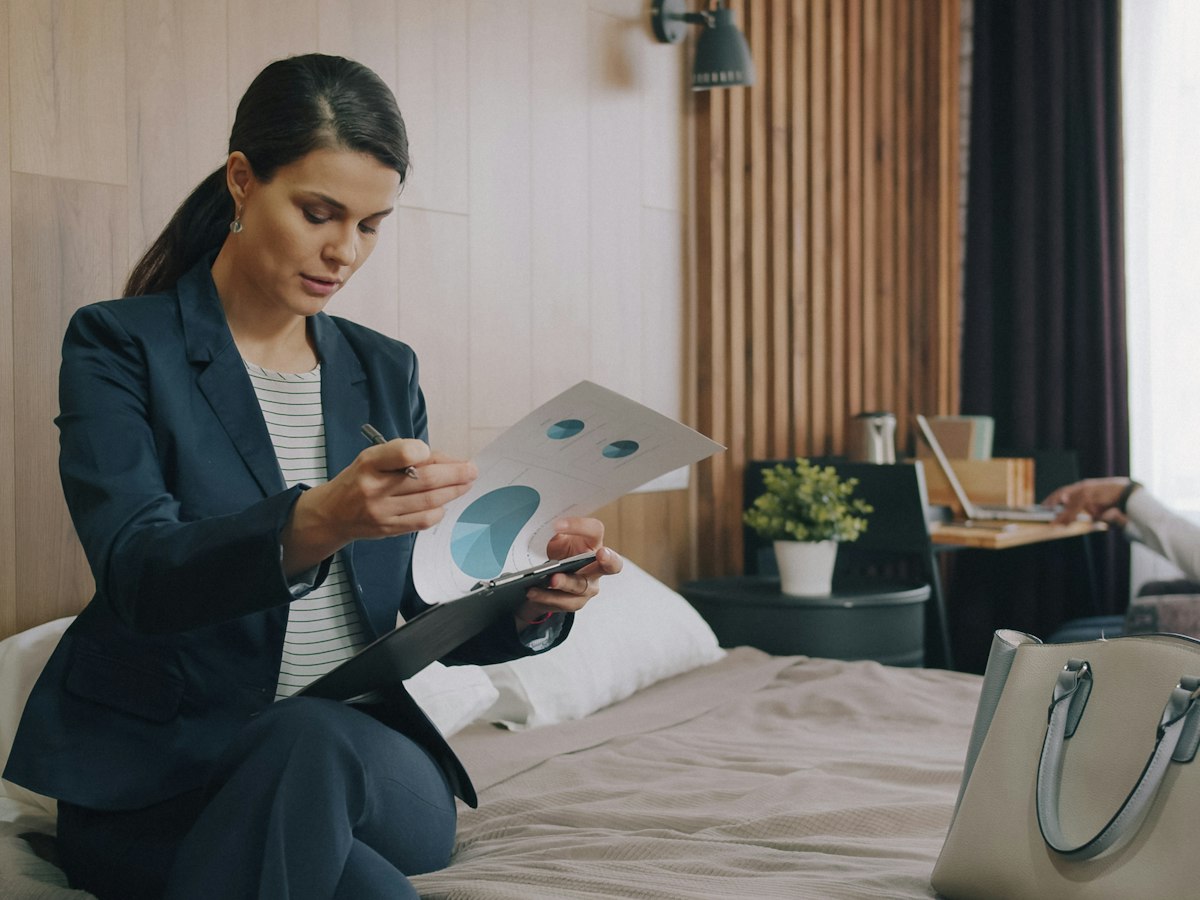
A practical guide to running a business presentation in a restaurant private room, airport hotel, stadium suite, or winery — and what to check before you assume the room will handle it.
You've booked a private dining room, a hotel meeting room near PDX, a suite at a Portland sports venue, or a winery tasting room for a half-day meeting or client presentation. The food, the view, or the fact that everyone's flying in for a few hours made the venue an easy choice. What nobody checked is whether the room can actually support forty people trying to see a slide and hear a speaker — because it wasn't built for that. It was built for dining, watching a game, or tasting wine.
The Room Faces the Wrong Way for a Presentation
Round tables at a restaurant mean a third of your guests have their back to any screen you set up. Stadium suites are wide and shallow with the TVs angled at the bowl, not at a lectern. Wineries and rooftops have no walls to bounce sound back, so a speaker's voice thins out fast, especially with a breeze. None of these rooms were arranged with sightlines or acoustics for a presenter in mind — they were arranged for something else, and the seating is already locked in by the time most people think about AV.
The Clock Starts Later Than You Think
A restaurant private room is often finishing lunch service an hour before your event starts. A stadium suite may only open 90 minutes before doors, through a security checkpoint. A hotel might have another booking in that room the same morning. Add to that the question of whether the venue has an exclusive AV vendor or charges an outside-AV fee — hotels and conference-style venues frequently do, restaurants and wineries usually don't — and you can end up with a contract problem discovered the week of the event, not a technical one.
What Happens When Nobody Checks Ahead of Time
If the load-in path, the power, and the room availability aren't confirmed before equipment shows up, the setup gets compressed into whatever time is left — sometimes twenty minutes before guests walk in. That's not enough time to test a projector, run a microphone check, or confirm remote attendees can hear the room. The usual result is a speaker straining over ambient noise from the kitchen or the concourse, half the audience unable to see the screen from their seat, and a laptop mic trying to carry a hybrid call that nobody on the video side can actually follow.
Match the Equipment to the Room You Actually Have
A restaurant needs a speech-focused PA and a wireless mic for whoever's presenting, with the screen placed where the table layout already faces — not fought against. A stadium suite needs sound aimed along the room instead of across the glass, since the house audio feed usually can't be muted. A winery or rooftop needs an honest conversation about daylight killing projection and about power being a single circuit at best. This is where a technician who's already seen these rooms is worth more than extra equipment.
Ask the Venue These Questions Before You Book Anything
Before equipment gets scheduled: is there an exclusive AV vendor or outside-AV fee, what's the load-in route and lift access, what hour is the room actually free for setup, where are the usable power outlets, and is the Wi-Fi a shared guest network or something a hybrid call can rely on. Answering these first is what turns a good-looking venue into one where the presentation actually works. We handle delivery, setup, testing, and a technician on site for the full event either way — but the venue's own constraints still have to be known ahead of time.
Frequently Asked Questions
The Takeaway
A restaurant, hotel meeting room, stadium suite, or winery gets chosen for good reasons that have nothing to do with AV. None of those reasons need to be given up. What has to change is the assumption that the room will provide what a presentation needs — it won't, and the fix is planning the equipment and setup around the room's real constraints instead of around the room's usual purpose.