Blog
- event-planning
- equipment
The AV Acronym Explained: What Audiovisual Means for Event Planners
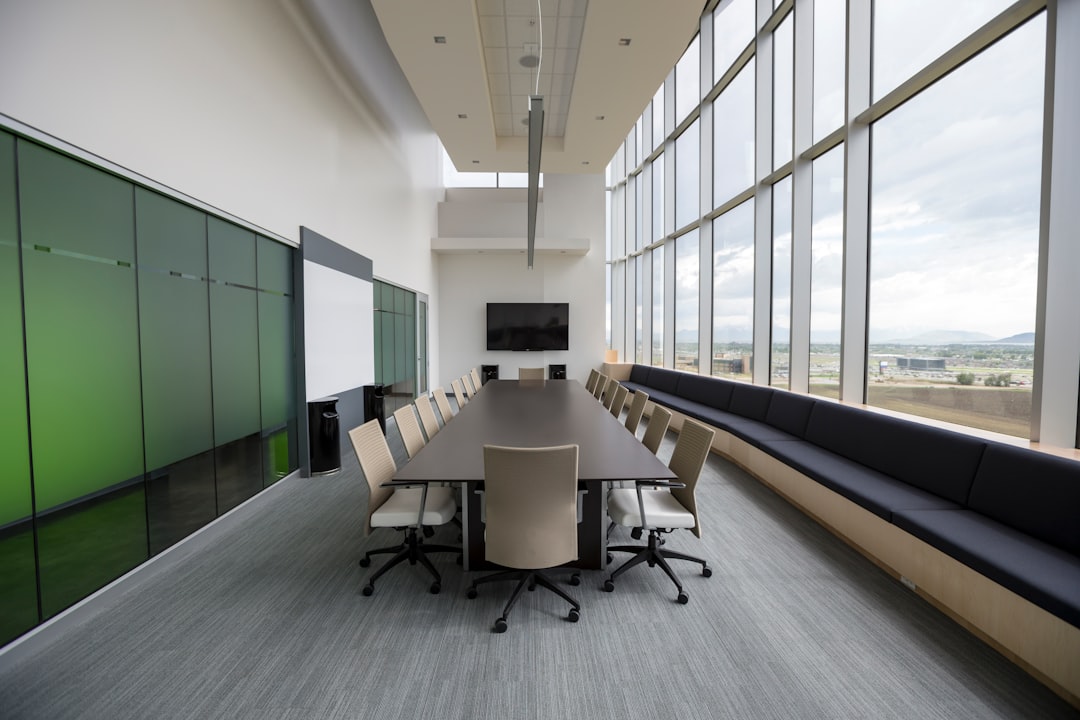
Wondering what the AV acronym stands for? Learn what audiovisual means in event planning, what AV equipment covers, and how to rent it in Portland.
You've seen it on vendor quotes, venue checklists, and event planning templates: AV. The acronym shows up constantly, but what it actually covers varies depending on who's using it. For a hotel banquet coordinator, AV might mean a podium microphone and a projector. For a corporate conference organizer, it might mean a full PA system, wireless presenter remotes, confidence monitors, and a livestream feed. If you're planning an event in Portland and a vendor is asking about your AV needs — or if you're filling out a rental inquiry and aren't sure what to request — this guide breaks down exactly what the term means, what falls under it, and how to figure out what your specific event actually requires.
What the AV Acronym Stands For
AV stands for audiovisual — a combined term for the equipment and systems that handle sound and image at an event. Audio covers anything that produces, captures, or amplifies sound: microphones, speakers, PA systems, subwoofers, mixing boards. Visual covers anything that displays or projects image and video: projectors, projection screens, flat-panel displays, video switchers, and confidence monitors.
The two categories are often bundled together because most events need both. A presenter who can be heard but not seen — or seen but not heard — creates the same problem: an audience that disengages. AV, as a concept, is about making sure the people in the room can receive the information being delivered to them.
Why the Definition Varies So Much
The reason the AV acronym feels vague is that the scope of audiovisual work scales dramatically with event size and complexity.
A 20-person internal meeting in a Beaverton conference room might only need a single wireless lapel mic and a 12-foot projection screen. A 400-person annual gala at a Portland hotel ballroom might require a full line-array speaker system, a wireless microphone kit with four handheld units, a 16-foot front-projection screen, and a dedicated AV technician managing the board throughout the program.
Both events involve AV. The equipment lists look nothing alike. This is the source of most confusion when event planners start scoping a rental — the acronym is consistent, but the application is not.
The Hidden Problem with Assuming You Know What You Need
Most event planners who are not full-time AV buyers make one of two mistakes: they under-scope and rent too little, or they over-scope and pay for equipment they never use.
Under-scoping is the more consequential error. A speaker whose voice doesn't carry past the fifth row, a presentation slide that's unreadable because the projector lumen count is too low for the room's ambient light, a Q&A session where audience members can't be heard — these aren't minor inconveniences. They undermine the credibility of the event and the presenter. In a corporate context, that reflects directly on the organizer.
Over-scoping wastes budget that could go elsewhere. Renting a subwoofer system for a sit-down awards dinner with background music is a common example — the equipment adds nothing and may actually make the room feel less formal than intended.
What Getting AV Right Actually Requires
The solution isn't memorizing a list of equipment names. It's knowing what questions to ask before you commit to a rental.
The most useful ones: How many people will be in the room? What is the room's layout — theater, classroom, banquet rounds? Will there be live speech, or is this primarily a video screening? Does the venue have a built-in sound system, or is it a blank-slate space? Will presenters be moving around or standing at a fixed podium?
Answers to those questions map directly to equipment decisions. A Portland AV rental company familiar with local venues — the Oregon Convention Center, hotel ballrooms in the Lloyd District, university event spaces in Hillsboro — can translate your event specs into a specific gear list without requiring you to know the difference between a dynamic and condenser microphone.
At EventGear PDX, the rental process starts with a conversation about what's happening in the room, not a catalog browse. Equipment is tested before delivery, arrives on time to your venue, and can be accompanied by on-site setup support when the event warrants it.
Frequently Asked Questions
Get the Right Equipment for Your Event
Describe your event — room size, headcount, what's happening on stage — and EventGear PDX will put together a specific gear recommendation. No obligation, no catalog to sort through. Contact our team and we'll respond with a clear quote built around what your event actually needs.