Blog
- equipment
- event-planning
Audio Visual Setup for Events: What Actually Matters
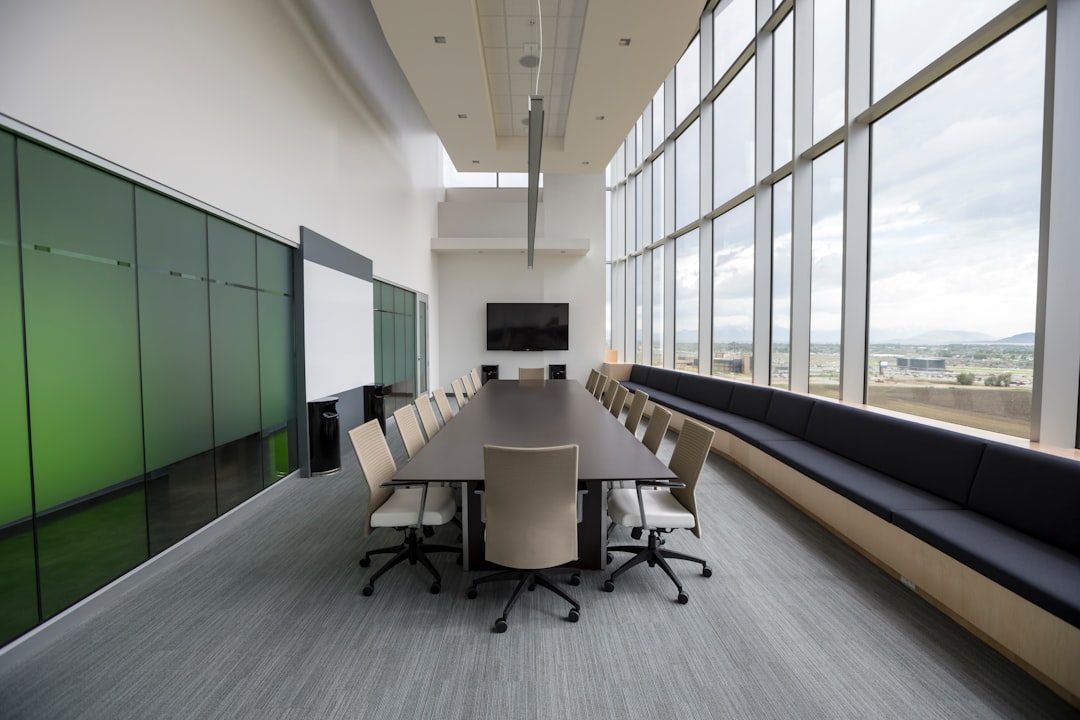
Plan a reliable audio visual setup for your Portland event. Learn what to order, what to test, and how to avoid the mistakes that derail presentations.
You have a venue booked, a speaker confirmed, and a run-of-show drafted. The one variable that can quietly unravel all of it is the audio visual setup. A projector that can't compete with the room's ambient light, a PA system that feeds back every time someone steps near the front row, a wireless mic that cuts out mid-sentence — none of these failures are dramatic until they happen in front of your audience. This guide is for event planners, corporate coordinators, and nonprofit staff who need to get the AV right the first time, without a dedicated production budget or an in-house technician on staff.
Start With the Room, Not the Equipment List
Every venue in the Portland metro has its own acoustic and visual quirks. A hard-floored ballroom at a downtown hotel reflects sound differently than a carpeted meeting room in Beaverton. A conference space with floor-to-ceiling windows on the west side becomes a projection problem by late afternoon.
Before you select a single piece of gear, answer three questions about your space:
- How large is the audience area? This determines speaker placement and screen size, not just quantity.
- What is the ambient light situation? Bright rooms require higher-lumen projectors or ambient light rejection screens. A 3,000-lumen unit that looks sharp in a demo room may wash out completely in a sun-lit venue.
- What are the room's acoustic properties? Hard surfaces amplify echo. Rooms with high ceilings and bare walls need more directional speaker placement and tighter gain control to stay feedback-free.
Answering these before you call a rental company saves you from ordering the wrong equipment and discovering it at load-in.
The Most Common Audio Visual Setup Mistakes
Most event AV problems don't happen because of bad luck. They happen because of predictable oversights made during planning.
Undersized screens. The standard rule: screen height should be at least one-sixth the distance to the farthest seat. A 100-person room that's 60 feet deep needs a screen at least 10 feet tall. Many planners order an 8-foot screen because it sounds large, then discover the back rows can't read slide text.
Single-point audio. One speaker at the front works for a small breakout room. For general sessions over 75 people, or any room with significant depth, you need distributed audio — front fills, delays, or additional satellite speakers — so the sound pressure level stays consistent throughout the space.
No backup for wireless microphones. Wireless systems operate on radio frequencies. In dense urban environments like downtown Portland, RF interference is a real variable. A backup handheld or a wired option at the podium costs almost nothing extra and has saved more than a few presentations.
Skipping the sound check. A 20-minute sound check before doors open catches the feedback issues, volume mismatches, and cable problems that a 30-second check does not. Build it into your run-of-show as a hard commitment, not an optional warmup.
What a Professional AV Rental Actually Solves
Ordering AV equipment from a local rental company isn't just a logistics convenience — it directly addresses the problems above in ways that buying consumer gear or pulling from a venue's in-house closet does not.
Right-sized equipment for your specific room. A rental consultation involves your room dimensions, audience size, and program format. The result is a gear list calibrated to your actual event, not a generic package.
Tested equipment, delivered ready to use. Every item from EventGear PDX is tested before it leaves our facility. Projector lamps are checked for remaining hours. Wireless mic batteries are replaced. Cables are verified. You're not discovering a faulty XLR connection during your keynote.
Same-day and next-day availability. Last-minute additions happen — a second breakout room gets added, a keynote speaker requests a lavalier instead of a handheld. Local inventory means those changes can be accommodated, often the morning of the event.
On-site setup support. For larger events or complex multi-room configurations, a local technician can handle load-in, positioning, sound check, and teardown. That's not a service you can get from a national rental marketplace.